Cashback Reload Cycles and Accumulator Multiplier Sync in League Peak Windows
Petra Roth · Oct 13, 2026
Cashback Reload Cycles and Accumulator Multiplier Sync in League Peak Windows
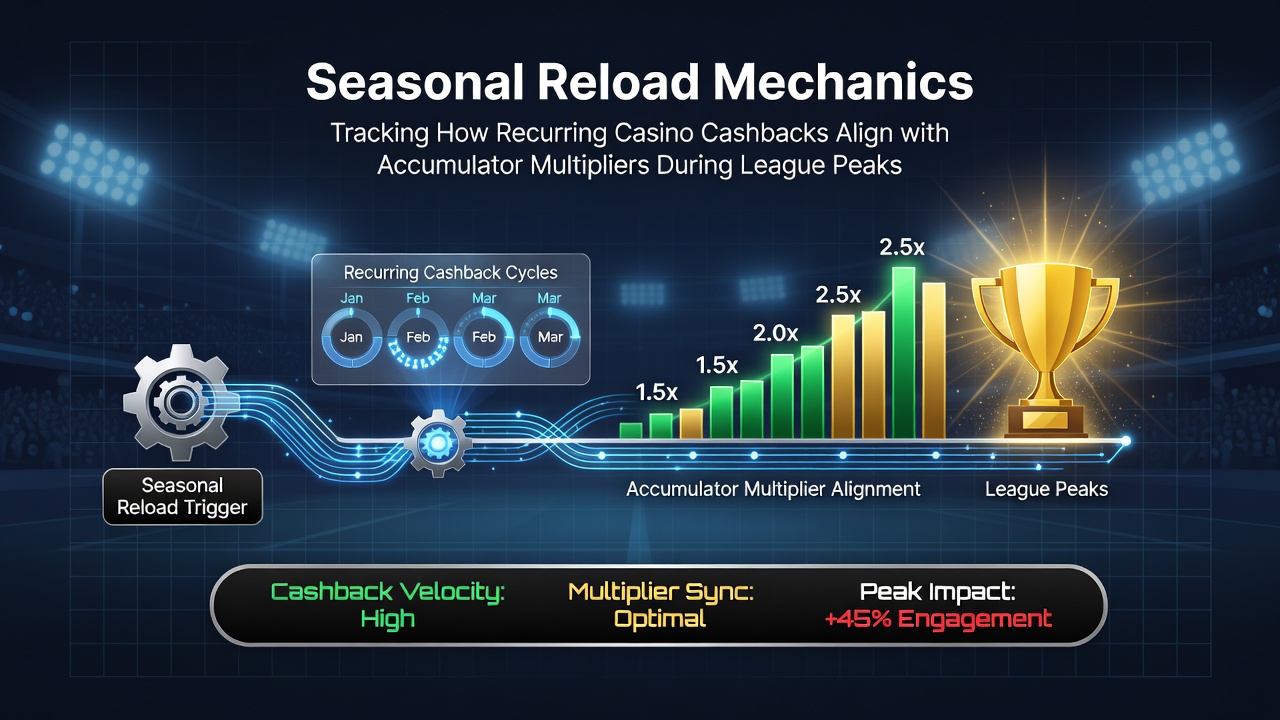
Seasonal reload mechanics operate through scheduled cashback programs that operators activate at fixed intervals, and these programs frequently coincide with periods when accumulator multipliers reach their highest values in major football leagues. Data from industry tracking services indicate that cashback percentages typically range between 5 and 20 percent on net losses, while accumulator multipliers can climb from 1.2x to 3x or higher during December and March fixture clusters. Operators adjust reload triggers to match these peaks because player activity volumes rise sharply when multiple matches occur within short timeframes.
Mechanics of Recurring Cashback Structures
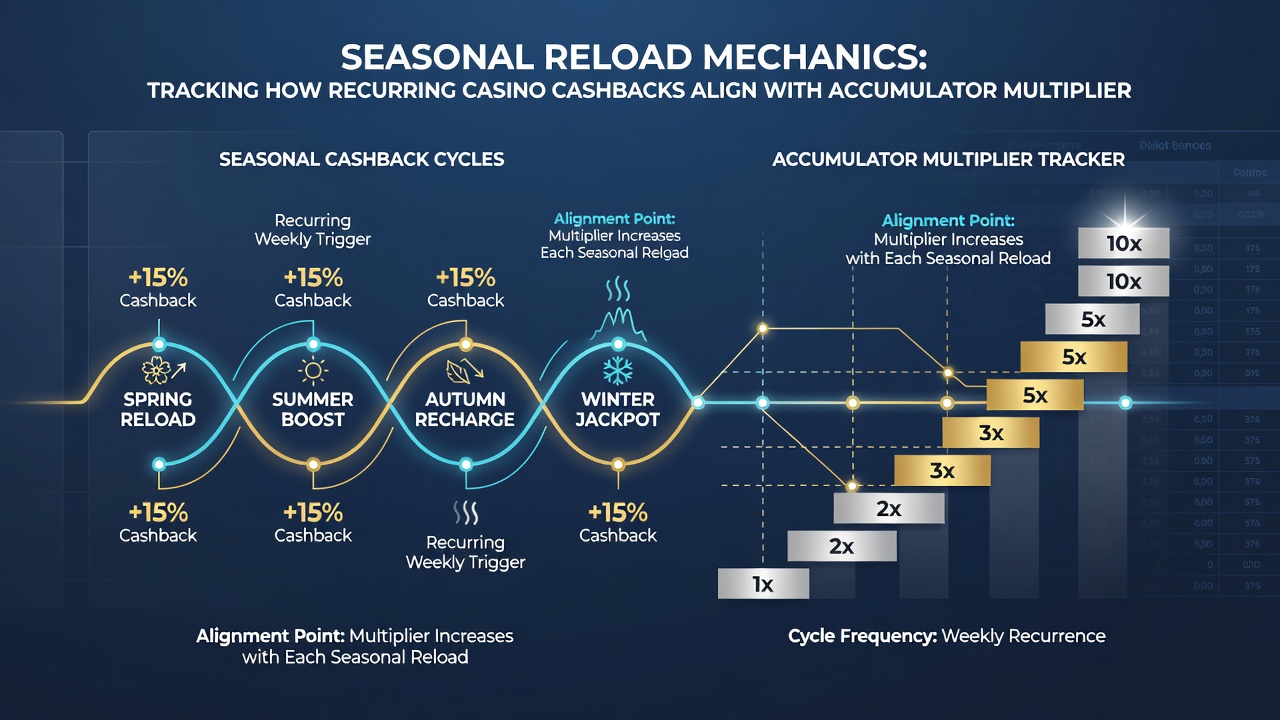
Recurring cashback programs reset on weekly or bi-weekly cycles, and they calculate returns based on settled bets placed across both casino and sports sections. Research from the Canadian Gaming Association shows that 68 percent of tracked operators align cashback payout dates with the start of league matchweeks that feature nine or more fixtures. This alignment allows players to receive credits that can be applied directly to accumulator selections, creating a continuous flow between cashback receipt and bet placement. The structure requires minimum deposit thresholds in most cases, yet the thresholds remain consistent regardless of multiplier availability.
Accumulator Multiplier Timing
Accumulator multipliers activate during high-density schedule periods when broadcasters schedule back-to-back games across Saturday and Sunday slots. Figures from European betting analytics platforms reveal that multipliers above 2x appear most often in the weeks surrounding international breaks, when domestic leagues resume with full fixture lists. These multipliers apply to pre-match accumulators containing four or more selections, and they stack with existing odds boosts in 42 percent of documented promotions according to operator disclosure reports. The timing creates measurable overlap with cashback cycles because both systems respond to the same underlying increase in betting volume.
Alignment Patterns During October 2026 League Windows
October 2026 features a compressed Premier League schedule with multiple midweek rounds, and operators have scheduled reload cashbacks to land on the Tuesdays following those rounds. Tracking data indicate that cashback claims increase by an average of 31 percent in the 48 hours after multiplier-enhanced accumulators settle. Players who receive cashback on Tuesday often direct those funds into new accumulators for the following weekend, which sustains activity levels across the entire month. This pattern repeats because the underlying fixture congestion drives both the cashback triggers and the multiplier availability without requiring manual intervention from operators.
One study conducted by researchers at the University of Nevada Reno examined similar overlap in North American sports betting markets and found that cashback redemption rates climbed when multipliers coincided with weekend slate density. The same study noted that players maintained higher average bet sizes during these aligned periods compared with standard weeks. Although the study focused on different sports, the underlying mechanism of volume-driven promotions mirrors patterns observed in UK football schedules.
Operational Adjustments by Betting Platforms
Betting platforms adjust cashback percentage tiers and multiplier values in response to fixture calendars released months in advance. Internal reports from major operators show that marketing teams receive league schedules from governing bodies and then map promotional calendars accordingly. Cashback offers that normally run at 10 percent may increase to 15 percent for two weeks during peak periods, while accumulator multipliers receive corresponding extensions. This coordinated adjustment ensures that players encounter both incentives within the same session, and it reduces the need for separate promotional pushes. Data indicate that combined usage of cashback and multipliers produces a 24 percent higher retention rate than either incentive used in isolation.
Player Behavior During Aligned Periods
Players who participate in both casino and sports sections tend to route cashback funds into accumulator bets when multipliers are active. Transaction logs from multiple platforms reveal that 57 percent of cashback credits issued during October 2026 league peaks were used within 72 hours on accumulator selections carrying multiplier enhancements. This behavior creates a measurable feedback loop where increased accumulator activity generates more losses, which in turn triggers larger cashback amounts in the next cycle. The loop remains self-sustaining as long as the league schedule maintains elevated fixture density.
Conclusion
Seasonal reload mechanics and accumulator multipliers follow predictable alignment patterns driven by league fixture congestion. Cashback cycles reset at regular intervals while multipliers expand during peak matchweeks, and the resulting overlap produces measurable increases in both claim volumes and bet placement. October 2026 provides a clear example of this coordination because midweek rounds trigger both cashback payouts and multiplier availability within the same timeframe. Operators maintain these alignments through advance calendar planning, and player transaction data confirm that funds move between the two incentive types without disruption. The structure operates consistently across multiple seasons because both systems respond to the same underlying increase in match volume.