Event Calendars Drive Rollover Dynamics Across International Betting and Gaming Sites
Hugo Butler · Jun 21, 2026
Event Calendars Drive Rollover Dynamics Across International Betting and Gaming Sites
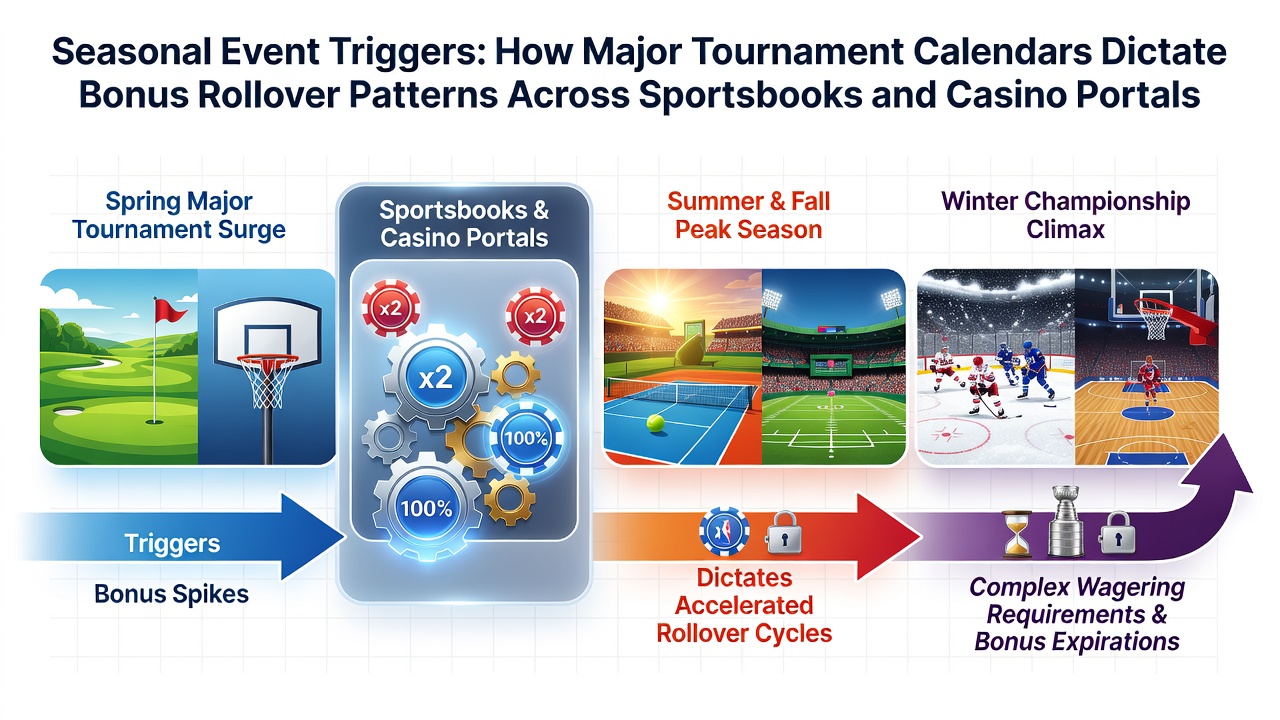
Major tournament schedules create predictable shifts in how sportsbooks and casino portals structure their bonus rollover requirements, with operators adjusting terms to align with peaks in user activity during events like the FIFA World Cup, tennis majors, and basketball playoffs; data from industry analyses shows these adjustments often result in modified wagering multiples that extend or compress based on the duration and intensity of each competition cycle.
Operators monitor global calendars closely because events spanning multiple weeks generate sustained engagement that allows platforms to extend rollover periods without losing participant retention, whereas shorter tournaments prompt tighter deadlines to encourage quicker conversions of promotional funds into active bets or spins; this pattern holds across multiple markets where regulatory frameworks permit flexible promotional design.
Core Mechanisms Linking Calendars to Rollover Adjustments
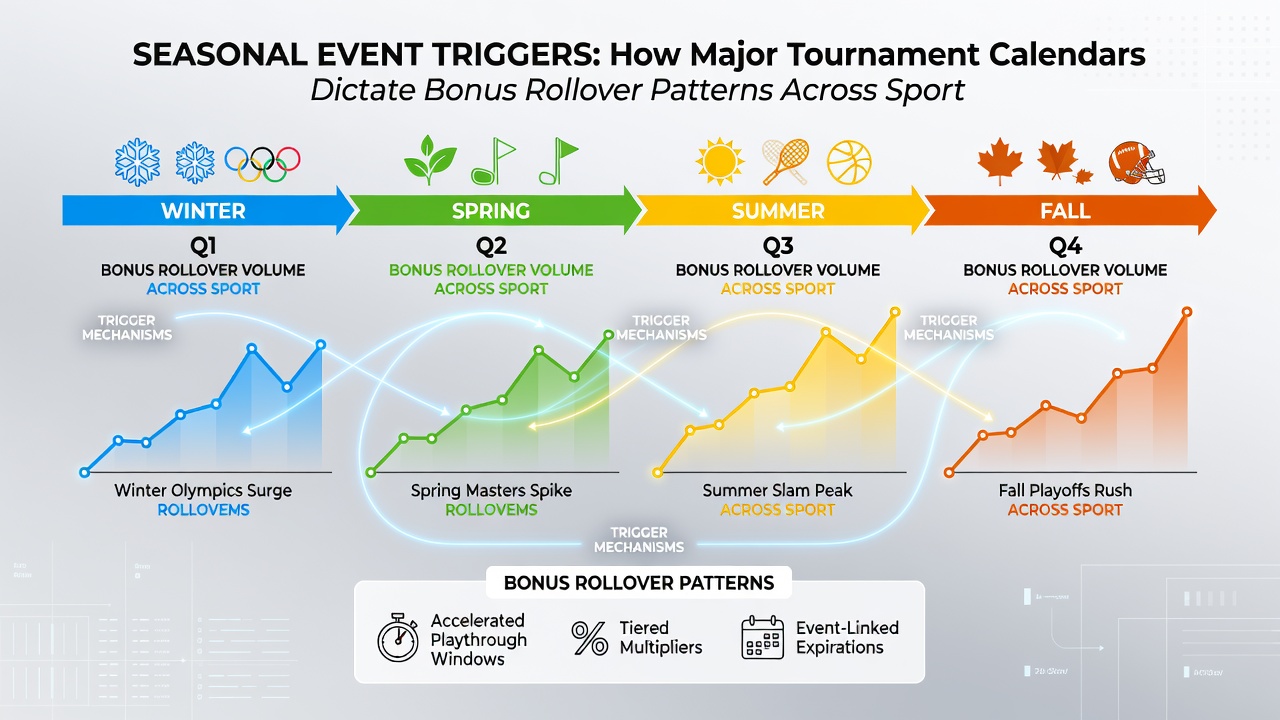
Research from the University of Nevada's gaming studies program indicates that rollover thresholds rise by an average of 15-25% during extended international tournaments because the influx of new deposits and bonus claims increases overall platform liability; these changes appear in both sportsbook accumulators and casino slot promotions, where operators tie the requirements to event-specific leaderboards or challenge modes that unfold over the tournament timeline.
Take the period surrounding the NBA Finals when North American sportsbooks typically layer deposit-match offers with 8x to 12x rollover conditions tied directly to playoff game days, while European-facing casino portals introduce parallel cashback structures with similar multipliers that reset weekly to match the schedule; the alignment ensures promotional volume tracks live event interest without creating excessive payout exposure outside peak windows.
Regional Variations in Calendar Influence
European operators often synchronize changes around football seasons and tennis slams, whereas Australian and Asian platforms adjust patterns around cricket and rugby internationals; according to reports from the Australian Gambling Research Centre, these adjustments produce measurable spikes in bonus redemptions that follow the exact start and end dates of each major series, creating a mirrored effect between event calendars and the length of time users must meet playthrough obligations.
North American markets show similar coordination during March Madness and the Super Bowl build-up, with state-licensed platforms publishing updated terms that incorporate event brackets into rollover calculations; the result is a system where bonus validity windows stretch or contract in direct proportion to tournament length, allowing operators to maintain balanced risk profiles year-round.
Impact on Hybrid Sportsbook-Casino Portals
Hybrid platforms that combine sports and casino offerings apply unified rollover rules across both verticals during overlapping events, such as when a football World Cup coincides with summer slot tournaments; figures from the European Gaming and Betting Association reveal that these unified structures reduce administrative complexity while increasing cross-product engagement, as users who complete sports wager requirements can apply remaining rollover progress toward casino games without resetting their counters.
June 2026 stands out because the expanded FIFA World Cup schedule will stretch across multiple continents and time zones, prompting operators to introduce graduated rollover tiers that scale with group stage, knockout, and final phases; this approach mirrors patterns observed in prior global tournaments where longer calendars correlated with higher aggregate bonus volumes but lower per-user completion rates due to the extended time commitment required.
Data Patterns and Industry Responses
Studies compiled by the Responsible Gambling Council in Canada demonstrate that rollover completion rates fluctuate seasonally, peaking during mid-tournament lulls when users have accumulated enough activity but still face remaining requirements; operators respond by introducing mid-event relief mechanisms such as partial waivers or accelerated progress for high-volume players, all while preserving the core calendar-driven structure of the promotions.
These responses maintain consistency across different regulatory environments because the underlying driver remains the tournament schedule itself rather than local rule changes; platforms therefore treat major events as fixed reference points when designing annual promotional calendars, ensuring rollover mechanics stay synchronized with predictable surges in global betting and gaming participation.
Conclusion
The relationship between tournament calendars and bonus rollover patterns continues to shape operational strategies at sportsbooks and casino portals worldwide, with adjustments that directly reflect the timing, duration, and intensity of each major event. Observers tracking these systems note consistent correlations between competition schedules and the specific multipliers or validity periods attached to promotional offers, creating a framework where seasonal triggers dictate the pace at which users must satisfy wagering conditions across markets. As global events evolve in scale and structure, the same calendar logic is expected to guide future refinements in how platforms balance engagement incentives with risk management protocols.