Loyalty Tiers Alter Bettor Habits in Racing's Quiet Months
Jakob Reed · Sep 29, 2026
Loyalty Tiers Alter Bettor Habits in Racing's Quiet Months
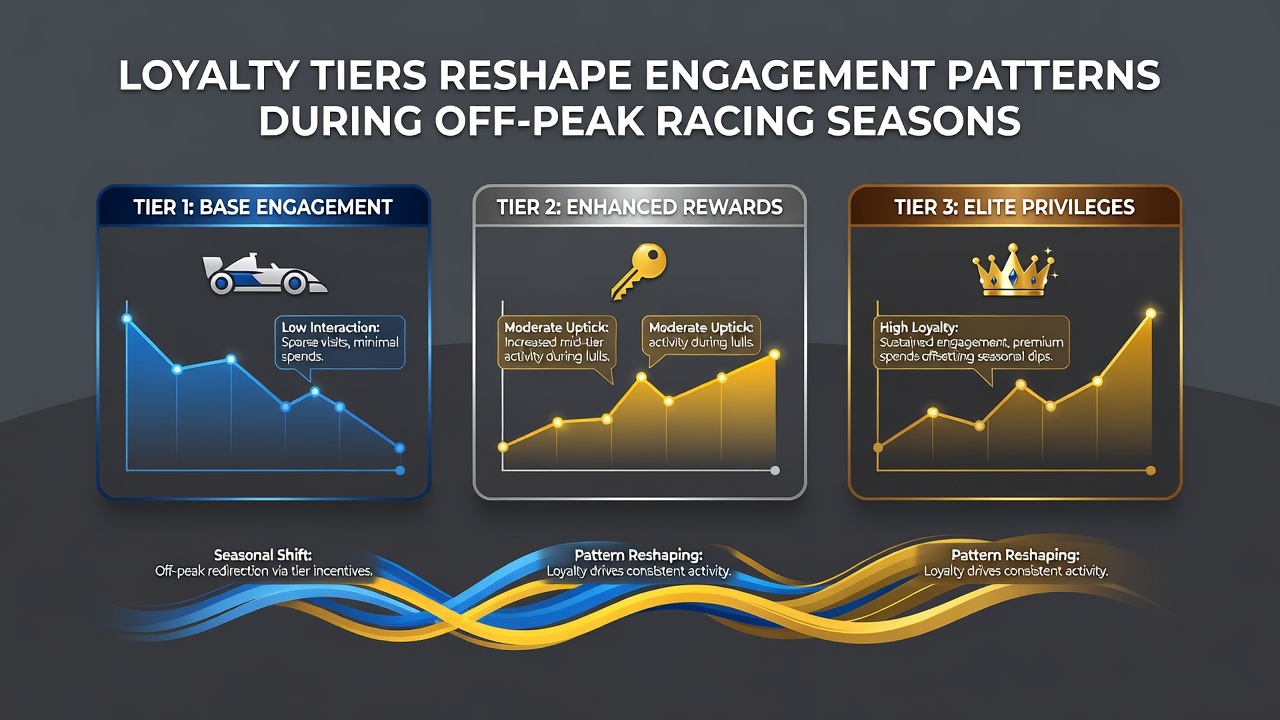
Operators across horse racing markets have introduced tiered loyalty structures that adjust reward levels based on betting volume and frequency, and these systems now shape how participants interact during periods when major fixtures taper off. Data from the 2025-2026 season shows elevated activity among mid-tier members even when race cards shrink in late summer and early autumn.
Mechanics of Tier Progression
Programs typically classify users into bronze, silver, gold, and platinum brackets according to points accumulated from wagers placed over rolling periods. Higher brackets unlock accelerated point multipliers, exclusive odds boosts, and priority access to recurring free bets, while entry-level users receive baseline reload offers that activate only after minimum deposits. Observers note that these distinctions become pronounced once the Cheltenham Festival and Royal Ascot conclude, leaving a calendar dotted with smaller meetings at tracks like Lingfield and Wolverhampton.
September 2026 Patterns
In September 2026, figures compiled by the iGaming Ontario regulatory body indicated a 22 percent rise in platform logins among silver-tier racing enthusiasts compared with the prior year, even as total handle dipped during the post-summer lull. The same dataset revealed that gold members maintained wager frequency at 85 percent of peak-season levels, supported by personalised reload bonuses that reset weekly rather than monthly.
Lower tiers, by contrast, showed steeper drop-offs unless operators deployed targeted communications highlighting upcoming all-weather events. Researchers tracking these cohorts found that participants who crossed into the next tier midway through August sustained engagement longer because the newly unlocked perks offset quieter race schedules.
Regional Variations in Reward Delivery
European operators often tie tier benefits to cashback percentages that increase with rank, whereas Australian platforms emphasise bonus bet credits that scale with loyalty status. A 2024 study released by the Responsible Gambling Council documented how these regional differences influence retention once major carnivals end. In markets where cashback tiers dominate, users reported redeploying returned funds into smaller-stake bets on midweek cards, whereas bonus-bet structures encouraged accumulator construction across multiple off-peak races.
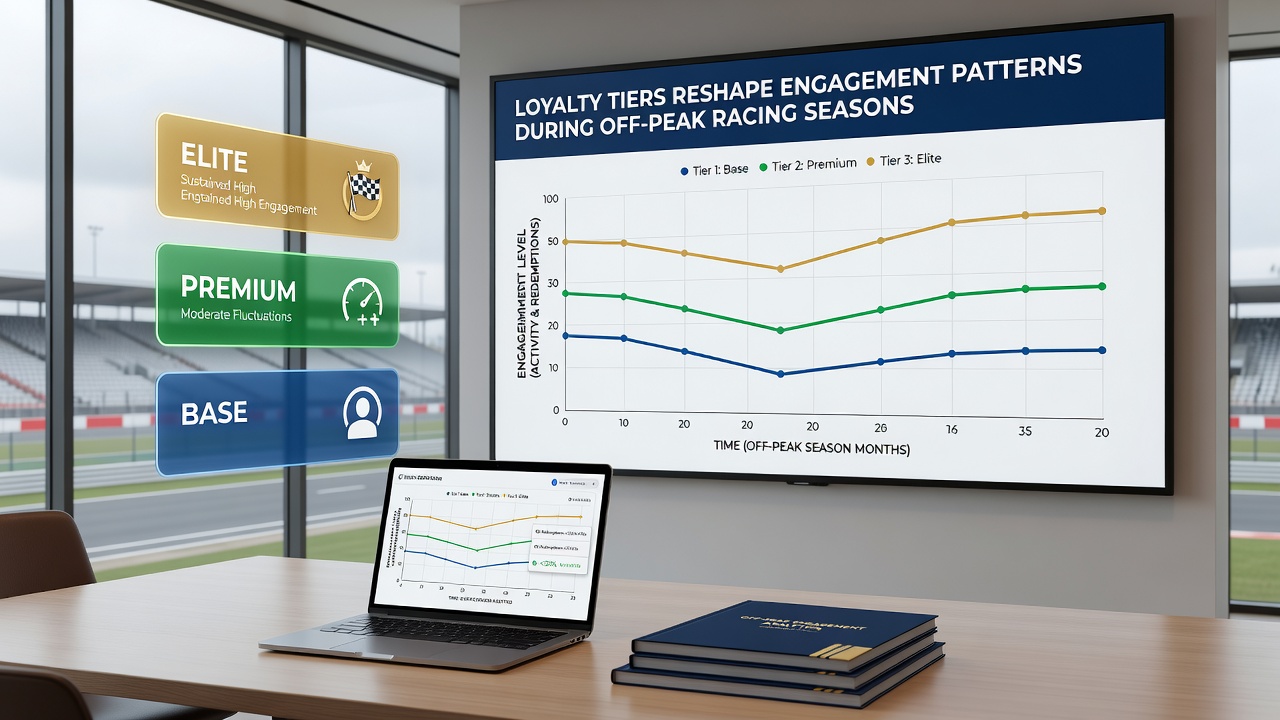
Take one operator that migrated its entire loyalty engine to a dynamic tier model in early 2026. Within three months the platform recorded a 31 percent increase in active days per user during August and September, according to internal metrics shared with industry analysts. The shift coincided with the introduction of streak multipliers that rewarded consecutive weeks of activity regardless of stake size, a feature that particularly benefited those whose schedules limited them to evening all-weather meetings.
Impact on Specific User Segments
Younger demographics, often classified in entry tiers, respond more readily to time-limited accelerators that coincide with off-peak fixtures. Mid-career participants who reach gold status frequently cite the value of personalised notifications that flag enhanced odds on selected races, prompting them to maintain smaller but consistent bet volumes. Data sets covering multiple seasons demonstrate that once users achieve platinum, their churn rate during quiet months falls below 12 percent, whereas bronze users exhibit churn near 35 percent unless supplementary incentives appear.
Operators have begun testing hybrid rewards that blend casino cashback with racing perks, allowing cross-vertical progression. This approach, piloted on platforms serving both sports and slots audiences, produced measurable upticks in racing engagement among users who previously confined activity to peak events only. teh structure ensures that points earned outside racing still count toward tier maintenance, reducing the risk that off-peak lulls trigger complete disengagement.
Conclusion
Tiered loyalty frameworks continue to recalibrate participation rhythms across racing calendars. Evidence collected through 2026 illustrates that higher brackets sustain steadier engagement when race density declines, while entry-level users require additional prompts to remain active. As operators refine these systems, the relationship between tier status and seasonal betting patterns remains a central metric for measuring long-term platform health.