Navigating the Transition from Sign-Up Rewards to Sustained Play Incentives on Mobile Platforms
Petra Roth · Jun 10, 2026
Navigating the Transition from Sign-Up Rewards to Sustained Play Incentives on Mobile Platforms
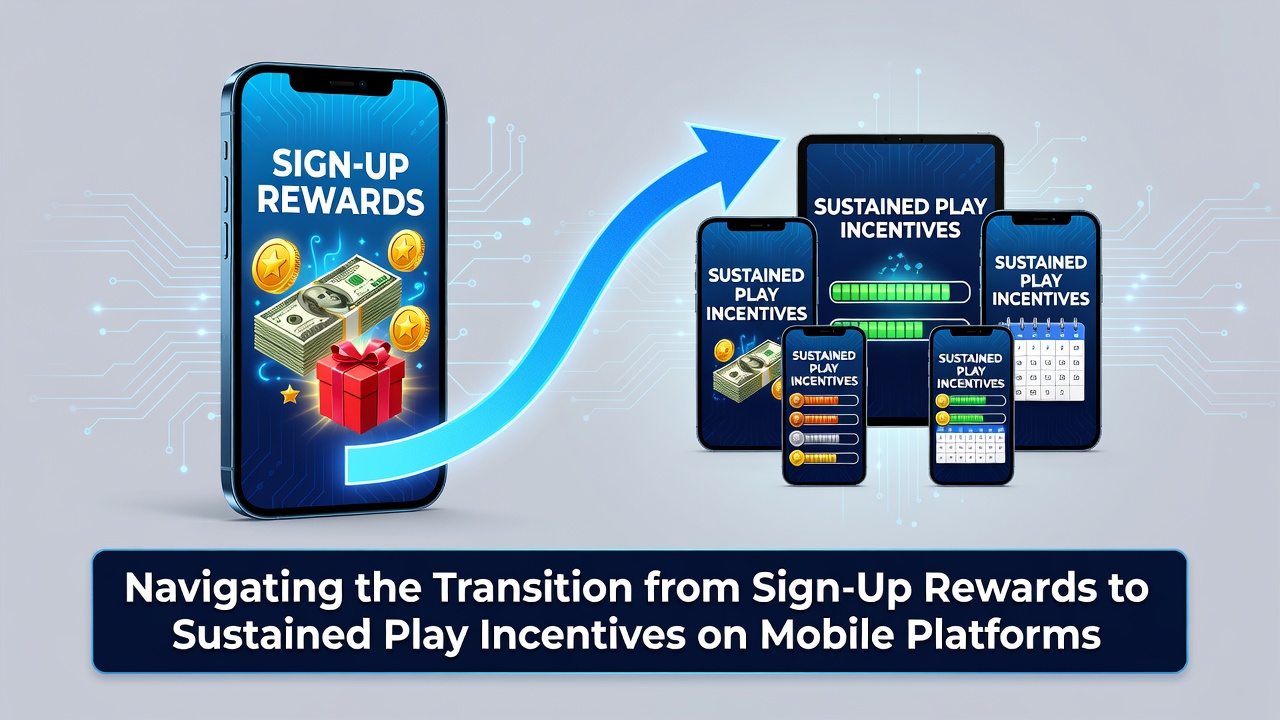
Developers on mobile platforms have shifted focus from one-time sign-up rewards toward systems that encourage repeated engagement over months or years, and this change reflects broader adjustments in how companies measure user value. Research from industry analysts shows that acquisition costs for new downloads often exceed returns when users disengage after claiming initial perks, prompting platforms to redesign their approaches.
Sign-up incentives typically include welcome bonuses such as extra in-app currency, extended trial periods, or starter packs that unlock early content, and these tactics have proven effective at driving installs according to reports compiled by the Mobile Marketing Association. Yet retention data collected across app categories reveals that a significant portion of users abandon applications within the first week, which reduces the long-term effectiveness of front-loaded offers.
Understanding the Mechanics of Early-Stage Rewards
Platforms structure sign-up rewards to lower barriers to entry, allowing new users immediate access to premium features or resources that would otherwise require payment or progress, adn this method accelerates initial interaction rates. Studies conducted by university researchers in North America highlight how these short-term boosts create quick dopamine responses that encourage exploration, though they rarely sustain activity beyond the introductory phase without additional layers of design.
Regulatory bodies in regions outside the UK, including the Australian Communications and Media Authority, have examined transparency requirements around these promotions to ensure users understand expiration terms and eligibility rules. Data indicates that clearer disclosure correlates with higher trust metrics, which in turn supports steadier download volumes over time.
Factors Driving the Move Toward Retention-Focused Models
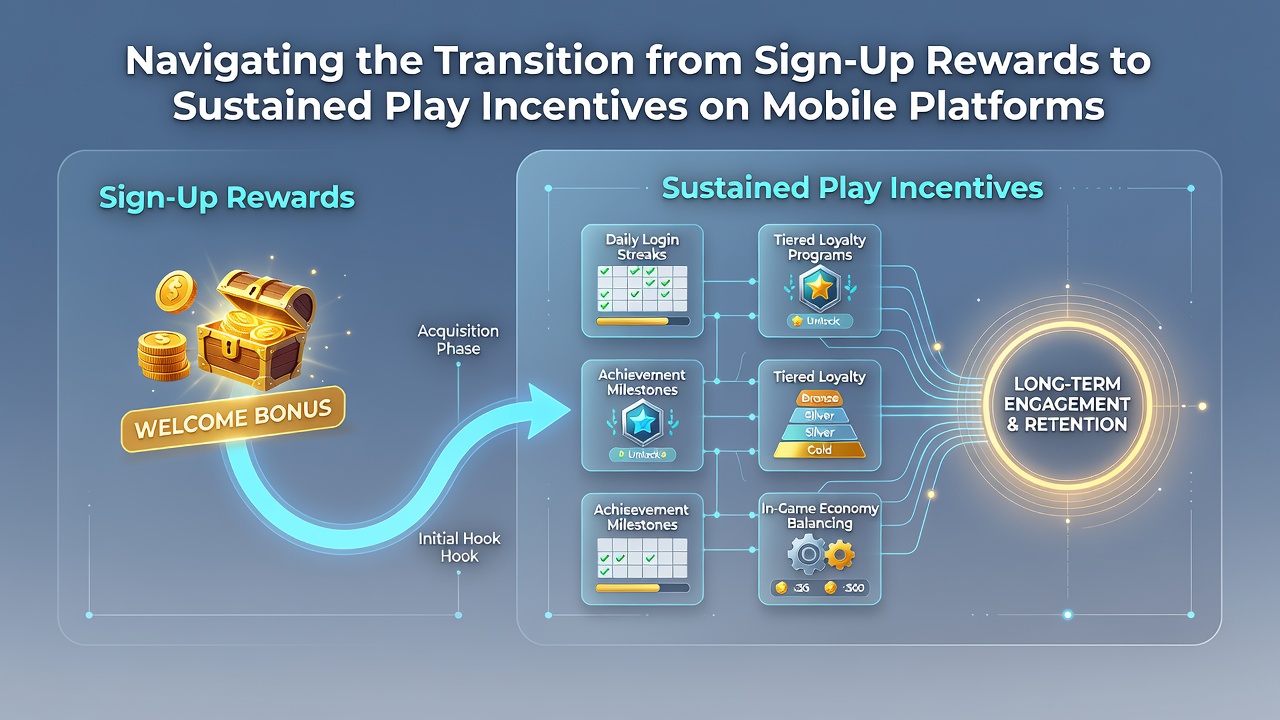
Analytics platforms track metrics such as daily active users and session length, revealing that sustained incentives outperform isolated sign-up bonuses in maintaining revenue streams through in-app purchases and advertising exposure. Companies adjust algorithms to prioritize users who return consistently, offering escalating benefits tied to consecutive login streaks or milestone achievements rather than one-off claims.
What's notable is how machine learning tools now predict churn risks based on behavior patterns, enabling timely delivery of personalized rewards that re-engage at-risk accounts before they lapse entirely. Figures released by research institutions demonstrate measurable lifts in average user lifetime value when these predictive systems integrate with reward engines.
Design Elements in Sustained Play Systems
Recurring incentives often manifest as calendar-based events, community challenges, or tiered loyalty programs that scale with cumulative playtime, and these features create habitual loops that keep applications open on devices longer. Observers note that integration with push notifications and social sharing amplifies participation, particularly when rewards involve collaborative goals across user networks.
Developers balance reward frequency to avoid diminishing returns, spacing out meaningful payouts while providing smaller daily touches that reinforce presence without overwhelming users. Evidence from app performance tracking shows optimized cadence improves both retention percentages and organic referral rates.
Regional Variations and Emerging Patterns in Mid-2026
By June 2026, mobile platforms across multiple markets had implemented hybrid models that blend legacy acquisition tactics with stronger retention layers, adapting to updated data privacy frameworks that limit cross-app tracking. Platforms in the European Union and Canada adjusted their strategies following new digital service guidelines, favoring first-party engagement data to fuel personalized ongoing offers.
Industry reports compiled by organizations such as Pew Research Center document increased user preference for apps that deliver steady value rather than flashy entry promotions, influencing how developers allocate marketing budgets. Meanwhile, academic analyses from Australian institutions underscore the role of accessibility features in broadening appeal for sustained programs among diverse demographics.
Measuring Outcomes Across User Segments
Segmented data reveals that power users respond strongly to competitive leaderboards and exclusive ongoing perks, whereas casual participants favor flexible, low-pressure incentives that accommodate irregular schedules. Platforms refine these distinctions through A/B testing cycles that compare engagement across cohorts, producing iterative improvements documented in developer case studies.
Conversion rates from free users to paying subscribers tend to rise when sustained incentives highlight premium advantages gradually instead of through abrupt paywalls, and this pattern appears consistently in aggregated statistics from app marketplaces. Those who monitor long-term trends recognize the efficiency gains from aligning reward structures with natural usage rhythms.
Conclusion
The evolution from sign-up rewards to sustained play incentives represents a data-driven recalibration on mobile platforms, supported by retention analytics and regulatory developments that continue into 2026. Platforms that integrate these approaches report steadier user bases while meeting expectations for transparent, value-driven experiences across regions.