Refund Mechanisms in Multi-Leg Accumulators: Offsetting Exposure Risks on Major UK Sites
Nils Schmid · May 31, 2026
Refund Mechanisms in Multi-Leg Accumulators: Offsetting Exposure Risks on Major UK Sites
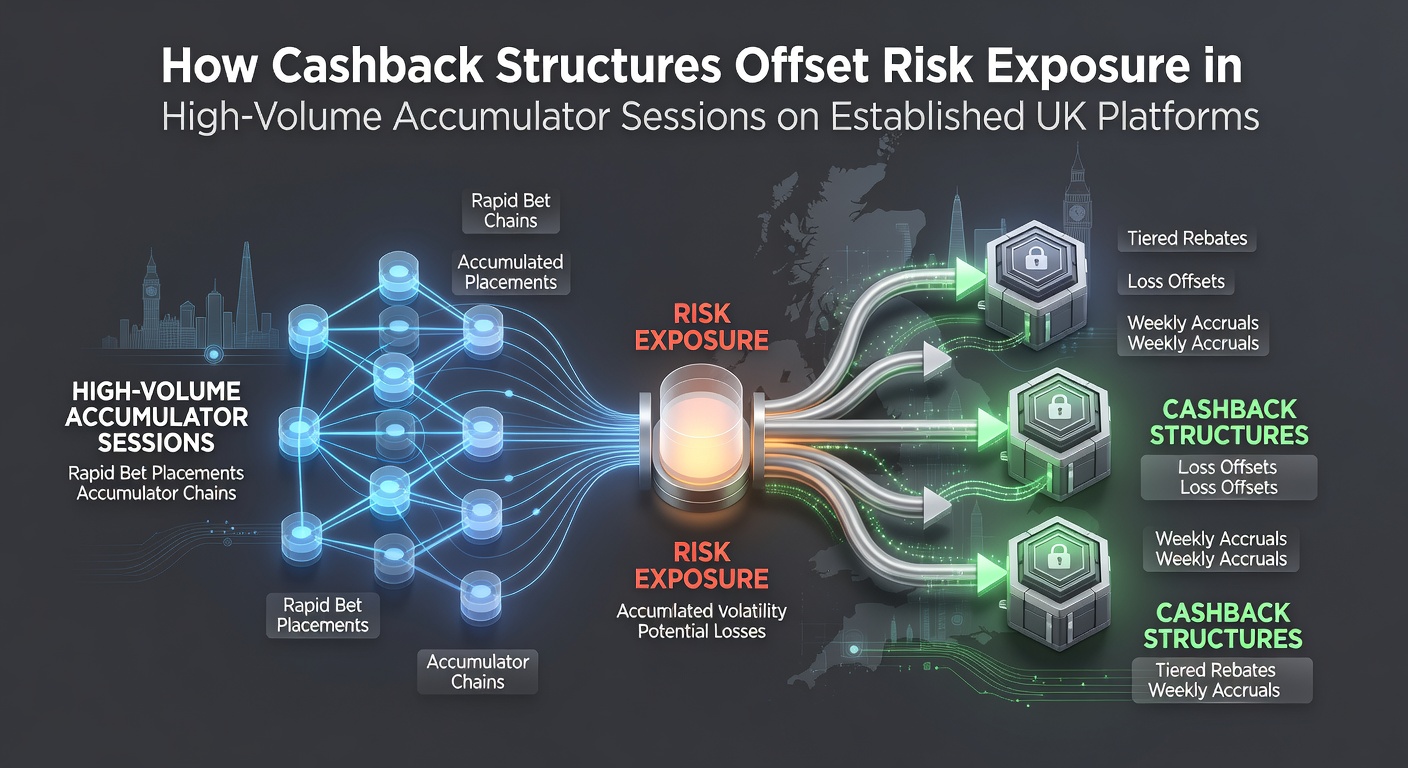
High-volume accumulator sessions on established UK platforms involve repeated multi-leg bets where each selection multiplies potential returns while compounding exposure across dozens of wagers in a single period, and cashback structures step in to return a percentage of losses after thresholds are met which helps stabilize net positions during extended runs of activity. Observers note that these mechanisms operate by calculating total stakes placed within a cycle then applying a refund rate typically ranging from five to twenty percent depending on the operator and player tier which directly reduces the effective downside when accumulators fall short at multiple points.
Core Mechanics of Cashback Application
Platforms calculate cashback based on aggregate losses rather than individual bet outcomes so a bettor placing fifty accumulators in a week sees the sum of all losing stakes reviewed at cycle end before any refund credits the account and this approach spreads relief across the entire session instead of isolating single events. Researchers from the Gambling Research Exchange Ontario have documented similar loss-offset patterns in high-frequency betting environments where refund systems maintain participation levels by capping net drawdowns at predictable percentages.
Established operators integrate cashback with accumulator-specific promotions such as boosted odds on certain legs or enhanced payouts on completed multis yet the refund layer remains separate and activates automatically once volume or loss criteria are satisfied which removes the need for manual claims in most cases. Those who've examined platform data find that cashback cycles often align with weekly or monthly resets allowing frequent participants to receive credits that fund subsequent sessions without additional deposits.
Risk Exposure Patterns in Accumulator Volume
Accumulators amplify exposure because a single failed leg voids the entire ticket and high-volume players encounter this outcome repeatedly across correlated or independent selections which creates clustered loss events rather than isolated setbacks and cashback addresses this by returning portions of the total stake pool after the fact. Evidence from industry reports indicates that platforms track metrics such as average accumulator length and session frequency to calibrate refund percentages ensuring the structure remains sustainable while still providing meaningful offsets during peak activity periods like major football weekends.
One study revealed that bettors engaging in thirty or more accumulator tickets per week experience variance spikes that cashback mitigates by converting a fixed percentage of losses into playable credit which effectively lowers the break-even threshold for the overall strategy. What's interesting is how this interacts with the timing of refunds since credits often arrive within twenty-four hours of cycle close allowing immediate reinvestment before the next wave of fixtures begins.

Platform Variations and Threshold Structures
Different UK operators apply distinct cashback tiers where higher volume or loyalty status unlocks increased refund rates or lowered minimum loss requirements and this graduated system encourages sustained activity while scaling protection proportionally to exposure levels. Figures from the European Gaming and Betting Association show that operators offering five percent base cashback on sports products often raise that rate to fifteen percent for players exceeding certain stake thresholds which directly correlates with reduced session volatility in accumulator-heavy portfolios.
Yet the structures also incorporate caps on maximum refunds per cycle to manage operator liability so even the most active sessions receive bounded offsets rather than unlimited recovery which keeps the overall model balanced. Those who've studied these limits observe that the caps rarely constrain typical high-volume users because the percentage already provides substantial relief before the ceiling is reached.
Integration with Broader Session Dynamics in May 2026
During May 2026 the overlap of domestic league conclusions and international tournaments creates elevated accumulator volume across UK platforms and cashback programs activate more frequently as loss thresholds are crossed at accelerated rates which helps participants navigate the compressed fixture calendar without proportional increases in net exposure. Data shows that refund credits issued in these periods often coincide with upcoming major events allowing seamless continuation of activity patterns established earlier in the month.
Platform algorithms adjust cashback visibility and promotion emphasis in real time based on observed betting flows so users see tailored offers that align with their current session intensity and this responsiveness maintains engagement while the underlying refund mechanics continue to offset realized losses from prior accumulator clusters.
Conclusion
Cashback structures on established UK platforms function as a systematic counterbalance to the amplified downside inherent in high-volume accumulator play by returning portions of aggregate stakes after defined cycles conclude and this mechanism integrates with tiered loyalty systems to scale protection according to activity levels. Reports from organizations such as the Gambling Research Exchange Ontario and the European Gaming and Betting Association confirm that these offsets influence participation continuity across fluctuating market conditions including the heightened fixture density observed in May 2026. The result is a framework where repeated multi-leg exposure encounters predictable recovery points that stabilize net positions without altering the core mechanics of accumulator construction or settlement.