Strategic Synchronization of Recurring Rewards with Sports Calendars Drives Platform Retention
Hugo Butler · Jun 17, 2026
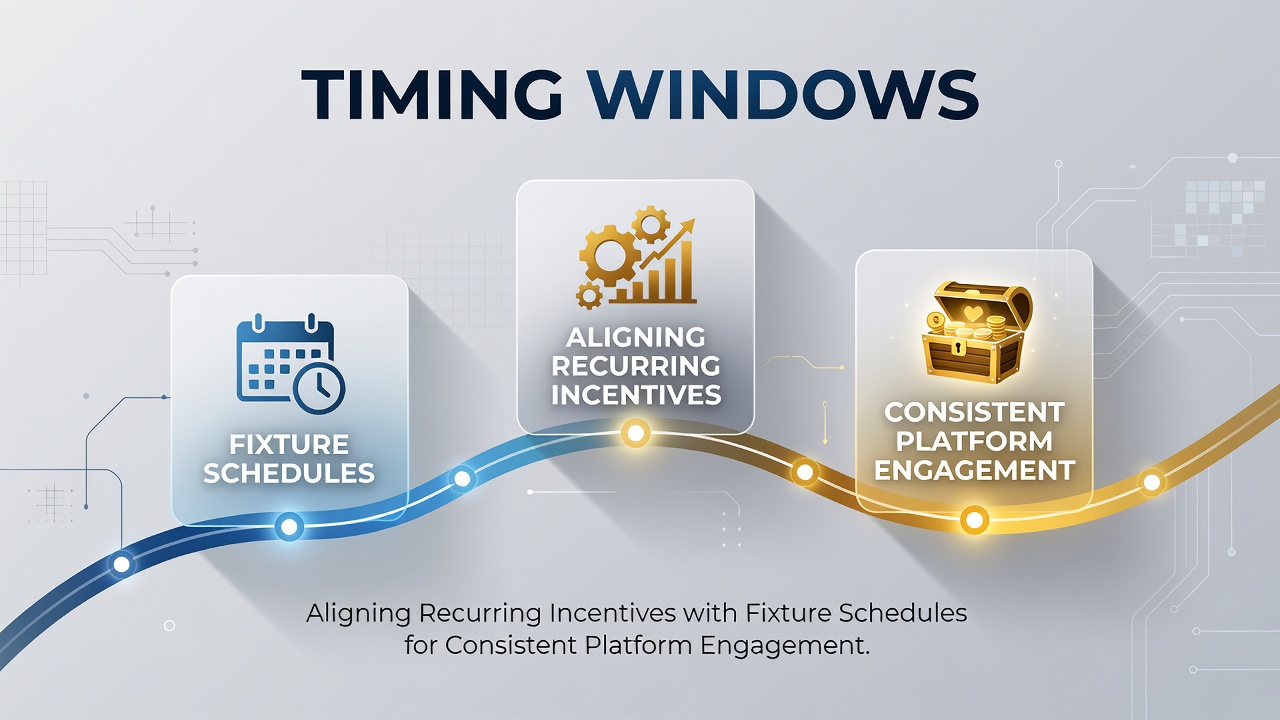
Strategic Synchronization of Recurring Rewards with Sports Calendars Drives Platform Retention
Platforms in the digital betting sector have refined methods for positioning recurring incentives alongside major fixture dates, creating predictable patterns of user activity that extend across entire seasons, and this approach draws on detailed analysis of league calendars released months in advance by organizing bodies. Data compiled by industry analysts shows that operators who map bonus cycles directly onto high-profile match windows record steadier login frequencies and deposit volumes compared with those using fixed calendar promotions detached from event timing.
Fixture Data as the Foundation for Incentive Planning
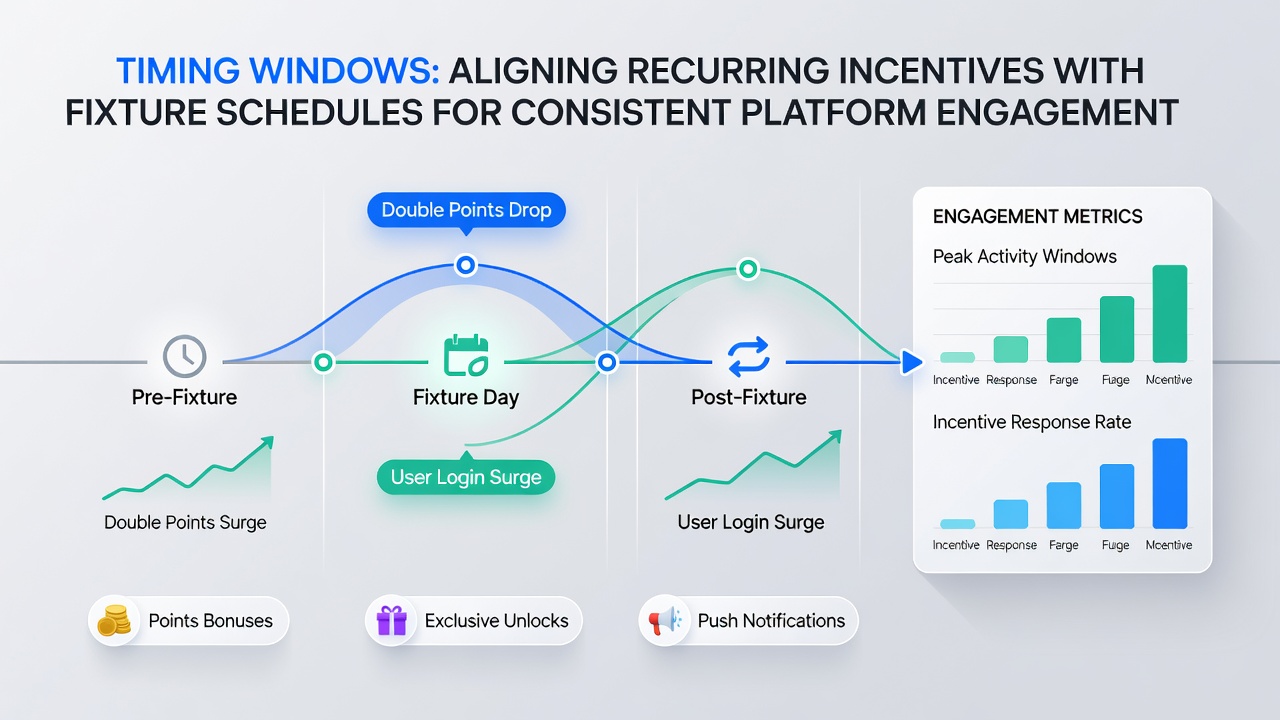
League schedules published by entities such as the English Football Association and equivalent organizations in other territories supply the structural backbone for these timing strategies, allowing teams to identify clusters of fixtures that historically generate elevated engagement, and analysts cross-reference these dates with historical user metrics to determine optimal windows for releasing reload bonuses or enhanced odds offers. When a cluster of midweek European matches falls within a seven-day period, platforms often activate multi-day incentive sequences that begin forty-eight hours before the first fixture and conclude after the final result, thereby capturing attention across the full sequence rather than isolating single events.
Recurring Incentive Structures and Calendar Integration
Recurring rewards typically follow weekly or bi-weekly issuance patterns that operators adjust according to fixture density, and research conducted by the University of Nevada Gaming Research Center indicates that alignment with dense fixture periods produces measurable lifts in repeat participation rates without requiring increases in promotional spend. Operators segment calendars into high-density blocks, such as those surrounding international breaks or domestic cup rounds, then calibrate the value and frequency of recurring offers to match anticipated user availability during those intervals.
Take one European operator that adjusted its Thursday reload cycle to coincide with Europa League matchdays, resulting in documented improvements in seven-day retention figures tracked over two consecutive seasons. Similar adjustments appear in markets where basketball and tennis calendars create overlapping high-interest periods, prompting platforms to layer shorter-duration incentives that reset every forty-eight hours during tournament weeks.
Regional Calendar Variations and Cross-Sport Coordination
Different territories present distinct fixture rhythms that require localized timing adjustments, and platforms serving multiple jurisdictions maintain separate calendar overlays for cricket seasons in Australia, ice hockey schedules in Canada, and baseball timelines across North America. Coordination across these calendars allows global operators to maintain continuous incentive flow by shifting focus from one sport's active window to another's without gaps in promotional coverage. Figures released by the Canadian Gaming Association reveal that operators employing multi-sport calendar synchronization achieve more consistent monthly active user counts throughout the calendar year.
Implementation in June 2026 and Seasonal Transitions
June 2026 marks a transitional period between domestic league conclusions and the opening stages of several major summer tournaments, creating a natural test window for timing models that bridge seasonal gaps. Operators have begun preparing incentive sequences that activate in late May and extend through early July, using pre-tournament friendlies and qualifying matches as anchor points to sustain activity levels during otherwise quieter intervals. This bridging technique relies on granular fixture data rather than broad seasonal assumptions, ensuring that recurring offers remain relevant to actual event schedules.
Measurement of Engagement Outcomes
Performance tracking relies on cohort analysis that compares user groups exposed to aligned incentives against control groups receiving un-timed promotions, and reports from academic studies published in the Journal of Gambling Studies demonstrate statistically significant differences in session frequency when timing matches fixture density. Platforms monitor metrics such as time-between-deposits and feature usage rates during aligned windows, then refine future cycles using regression models that incorporate both fixture proximity and historical response data.
Conclusion
Alignment of recurring incentives with fixture schedules has emerged as a data-driven practice that supports sustained platform engagement across varying market conditions and seasonal transitions, with operators continuing to refine these models through ongoing analysis of calendar releases and user response patterns. The approach integrates structural schedule information with operational incentive design, producing measurable consistency in activity metrics without reliance on increased promotional budgets.