Tiered Loyalty Structures: How Recurring Multipliers Influence Session Extensions in Betting Platforms
Nils Schmid · Aug 26, 2026
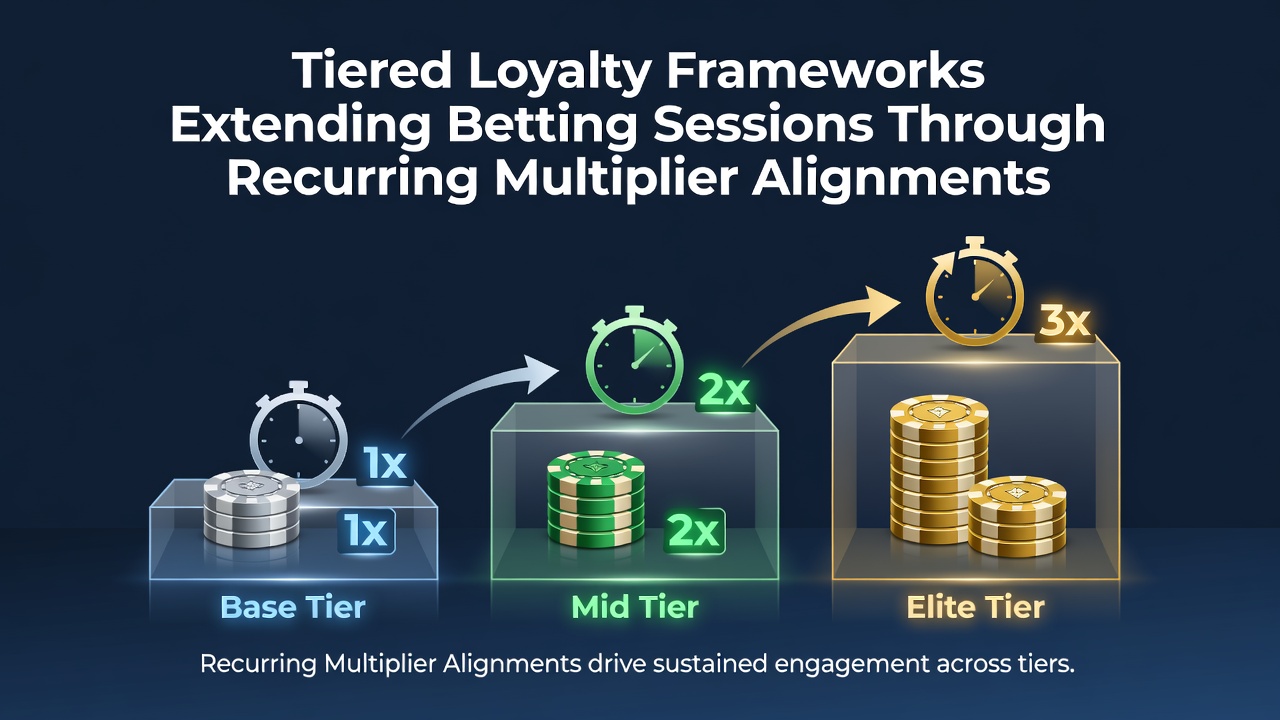
Tiered Loyalty Structures: How Recurring Multipliers Influence Session Extensions in Betting Platforms
Operators in regulated gambling markets deploy tiered loyalty frameworks that assign players to progressive levels based on activity volume and frequency, then layer recurring multipliers onto rewards to shape engagement patterns. These systems track cumulative bets, deposits, and other metrics to determine tier placement, after which aligned multipliers increase the value of subsequent bonuses or cashback offers. Data from industry analyses show that such alignments often correlate with extended play periods because higher tiers unlock scaled returns that encourage continued participation to maintain or advance status.
Core Components of Tiered Loyalty Frameworks
Each framework typically includes entry-level access for new participants, followed by intermediate and premium tiers that require sustained wagering thresholds. Advancement occurs through points accumulation, while retention of status demands ongoing activity within defined windows. Recurring multipliers activate at set intervals, often weekly or monthly, and they apply to specific bet types or game categories depending on the operator's configuration. Observers note that these recurring elements create predictable reward cycles that align with player calendars, such as weekend or evening sessions.
According to reports from the European Gaming and Betting Association, operators across multiple jurisdictions have expanded these structures since 2024 to differentiate offerings amid competitive pressures. The mechanisms operate through automated tracking software that calculates multiplier eligibility in real time, ensuring alignments occur without manual intervention. This automation reduces administrative overhead while maintaining consistent application across large user bases.
Mechanics Behind Recurring Multiplier Alignments
Multipliers function by scaling base rewards according to tier position and alignment frequency. For instance, a mid-tier player might receive a 1.5x boost on cashback during designated periods, whereas top-tier users access 3x or higher factors when multipliers coincide with promotional windows. Alignment refers to the synchronization of these boosts with player behavior patterns, such as matching multiplier activation to peak betting hours or specific event schedules. Research from academic sources including the University of Nevada's gaming studies department indicates that such timing strategies can extend average session lengths by reinforcing momentum through incremental gains.
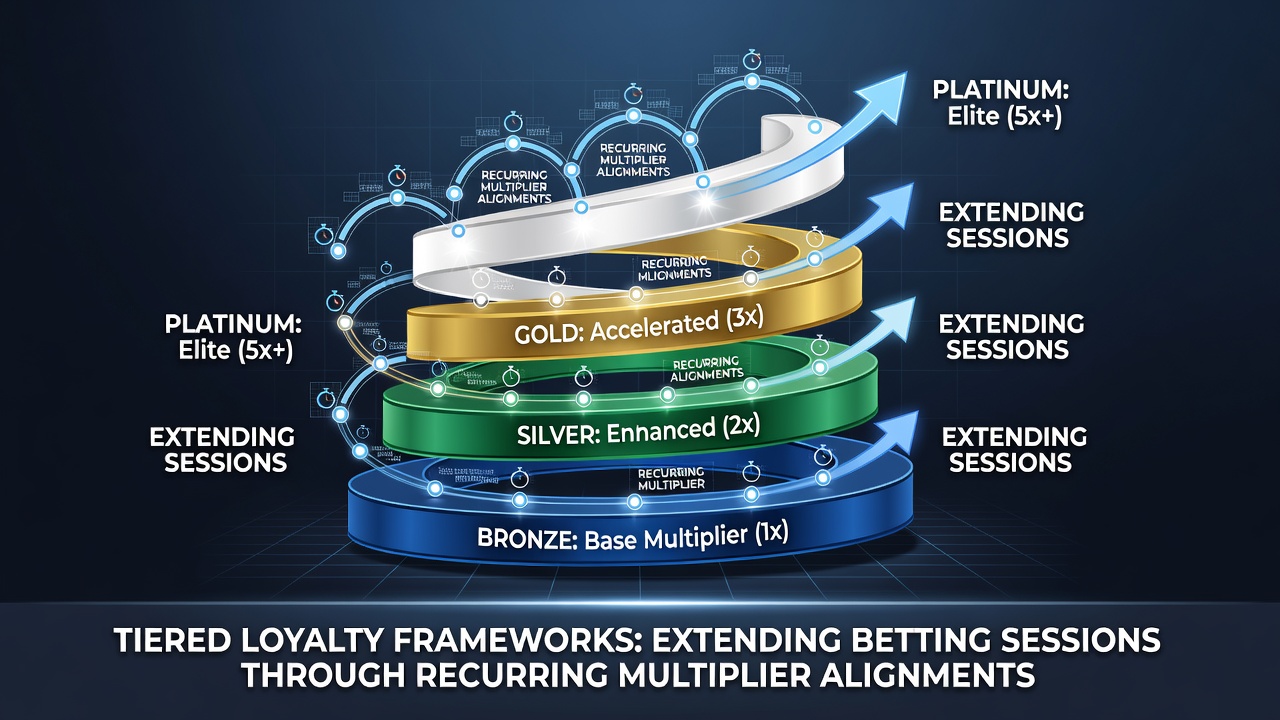
Operators calibrate these alignments using historical data on player drop-off points, adjusting parameters so that recurring benefits appear before typical exit thresholds. Canadian regulatory filings from provincial bodies highlight similar implementations in online platforms, where multipliers reset on a rolling basis to sustain continuity. The result appears in aggregated session metrics that reflect prolonged interaction rather than isolated visits.
Observed Effects on Betting Session Durations
Figures from operator disclosures and third-party analytics firms reveal measurable shifts in session metrics following multiplier introductions. Sessions in aligned systems often extend beyond baseline averages because players pursue threshold achievements that unlock the next multiplier cycle. Those who have examined platform logs across European markets report that tier progression tied to recurring boosts reduces early termination rates during active periods. What's interesting here is how these frameworks integrate with broader scheduling, such as aligning with major sports calendars or seasonal events around August 2026 when new regulatory reporting requirements take effect in several jurisdictions.
One case documented by research institutions in Australia showed platforms using multiplier alignments during off-peak times experienced steadier traffic distribution throughout the week. The alignments operate by stacking smaller recurring gains onto larger tier benefits, creating a compounding effect that holds attention across multiple rounds. Data indicates this approach appears particularly effective in sports betting segments where event frequency supports repeated alignments without requiring constant high-stakes commitment.
Implementation Patterns Across Markets
Platforms in different regions adapt the same core principles to local regulations and player preferences. In North American markets, tier resets often coincide with fiscal quarters, while European operators frequently tie multipliers to national league schedules. Australian industry reports note the use of multiplier previews sent via app notifications to prompt returns before alignment windows close. These notifications function as reminders rather than direct incentives, yet they contribute to session continuity by keeping frameworks visible in daily routines.
Stake limits and tax adjustments scheduled for various markets in 2026 may influence how operators refine multiplier values to maintain engagement within new compliance boundaries. Observers tracking these changes point to adjustments in tier thresholds as one response, ensuring alignments remain attainable under revised conditions. The frameworks continue to evolve through software updates that refine alignment precision based on real-time behavioral feeds.
Conclusion
Tiered loyalty frameworks combined with recurring multiplier alignments represent structured approaches that operators employ to influence session length through progressive reward scaling. Available data from regulatory disclosures and academic examinations demonstrate correlations between these mechanics and extended engagement periods across multiple jurisdictions. As platforms prepare for regulatory shifts around August 2026, the underlying alignment processes are likely to see further calibration while retaining their foundational role in loyalty program design.